
Learning to Sit With Discomfort Without Fixing It

Wellness Counsellor · 19 January 2026 · 3 min read
One of the first things people discover when they begin mindfulness and meditation practice is not peace, but discomfort. The mind becomes restless, the body aches, emotions surface, and a strong urge arises to do something, to fix, distract, analyse, or escape. This urge makes complete sense as human beings are wired to move away from pain. And yet, much of healing asks us to do something deeply counter to habit, to stay.
In the Buddhist tradition, the Buddha spoke of dukkha , often translated as suffering, but more accurately understood as the unease or dissatisfaction inherent in human life. The teaching was never about eliminating discomfort, but about changing our relationship to it. This is where meditation and psychology meet in a meaningful way.
From a psychological perspective, particularly within humanistic and experiential approaches, a similar theme emerges. Carl Rogers, one of the pioneers of modern psychotherapy, observed that “the curious paradox is that when I accept myself just as I am, then I can change.” Acceptance, rather than force, creates the conditions for transformation. When we rush to fix discomfort, we often reinforce the belief that something is wrong with us for feeling what we feel.
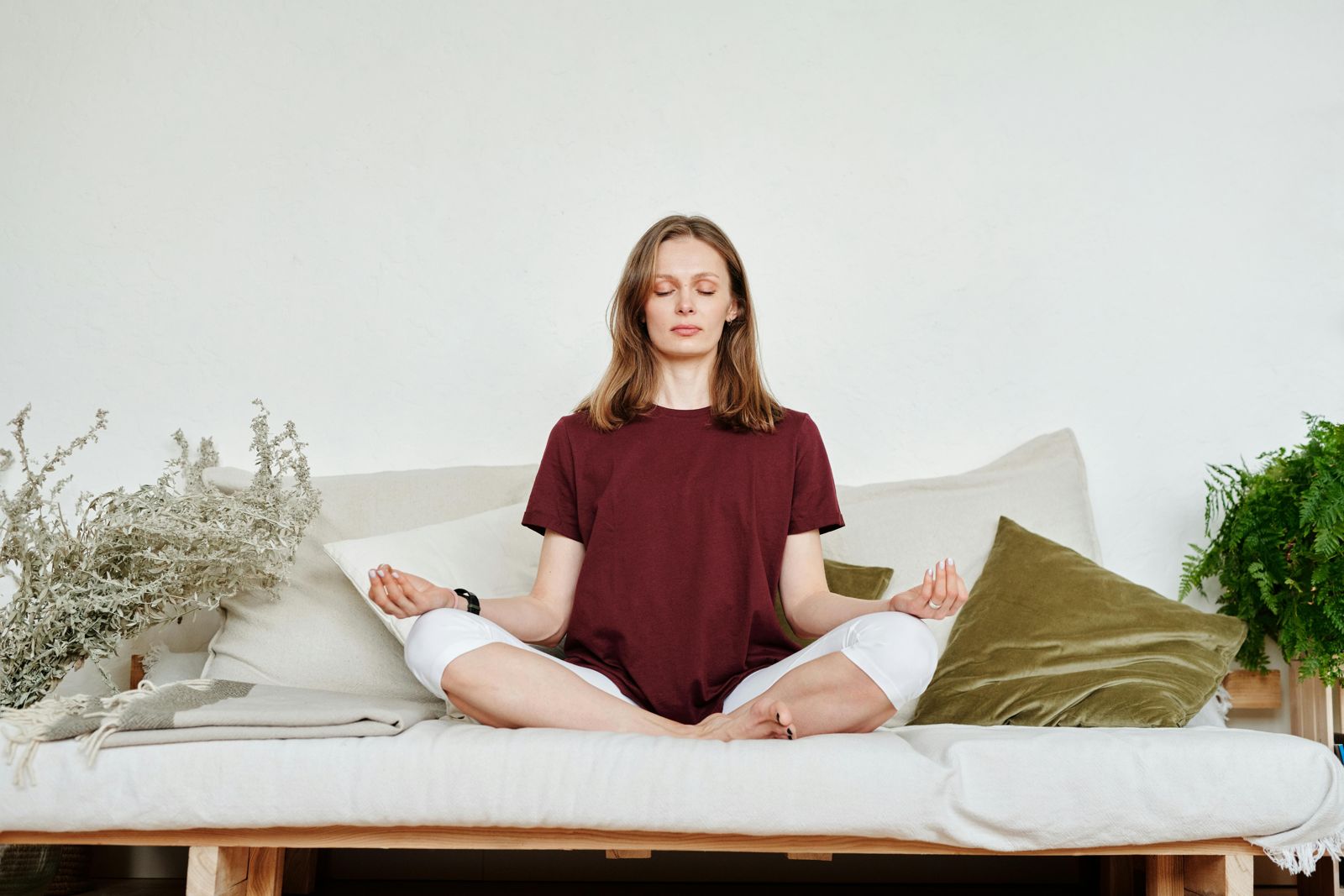
When we sit in meditation and notice discomfort, perhaps a tight chest, restless legs, or anxious thoughts, the practice is not to remove it, but to turn toward it with curiosity. Jon Kabat Zinn, who introduced mindfulness into mainstream psychology through Mindfulness Based Stress Reduction, describes mindfulness as paying attention on purpose in the present moment without judgement. That final phrase is essential. The moment we judge discomfort as a problem, we are no longer truly present with it. We are resisting it.
Neuroscience supports this approach. Attempts to suppress or avoid unpleasant internal experiences tend to increase physiological arousal and emotional reactivity. In contrast, mindful awareness activates areas of the brain involved in regulation, integration, and compassion. In simple terms, what we allow often softens, while what we fight tends to persist.
This does not mean we resign ourselves to suffering or ignore genuine needs for change. Rather, we learn to recognise the difference between reacting and responding. Tara Brach, a meditation teacher and clinical psychologist, speaks of the RAIN practice, which involves recognising what is present, allowing it to be there, investigating it with kindness, and nurturing ourselves with compassion. None of these steps involve fixing. They involve presence.
Sitting with discomfort teaches a vital life skill, the ability to remain open in the face of difficulty. Over time, we discover that sensations shift, emotions move, and thoughts pass, often without any effort on our part. What once felt overwhelming becomes workable. Not because it disappears, but because we are no longer meeting it with fear or urgency.
Learning to sit with discomfort is an act of trust. Trust in the body’s intelligence. Trust in the mind’s capacity to settle. Trust that you are not broken for feeling what you feel. As Zen teacher Shunryu Suzuki wisely noted, you are perfect as you are, and there is always room to grow. When we stop fixing, we start listening. And in that listening, something quietly wise begins to emerge.
This post is for education only. It is not therapy, a diagnosis or a substitute for professional care. In crisis: SADAG 0800 567 567.